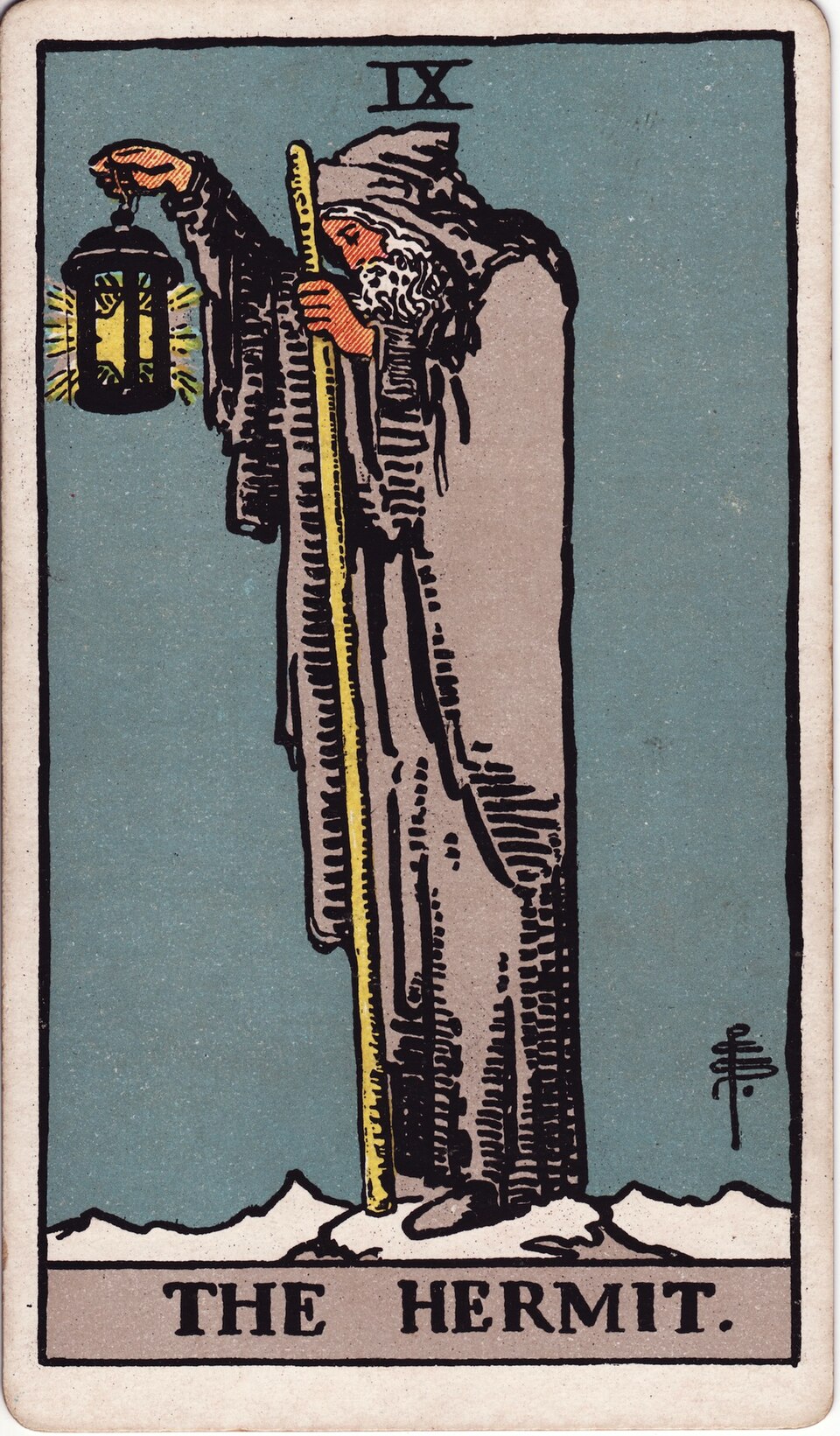
One Card Spread
A single card used as a focus for the day, a journal prompt, or a first look at a question.
Best for: Daily practice, beginners, clarifying one theme
Learn moreLayouts with jobs
Named positions keep a reading from becoming a pile of pretty cards. Choose the smallest spread that can hold the question. See also how to choose a spread.
A single card used as a focus for the day, a journal prompt, or a first look at a question.
Best for: Daily practice, beginners, clarifying one theme
Learn more
A pair of cards for comparison: this/that, help/hinder, or situation/advice.
Best for: Simple choices, contrast, adding one layer without a crowd of cards
Learn more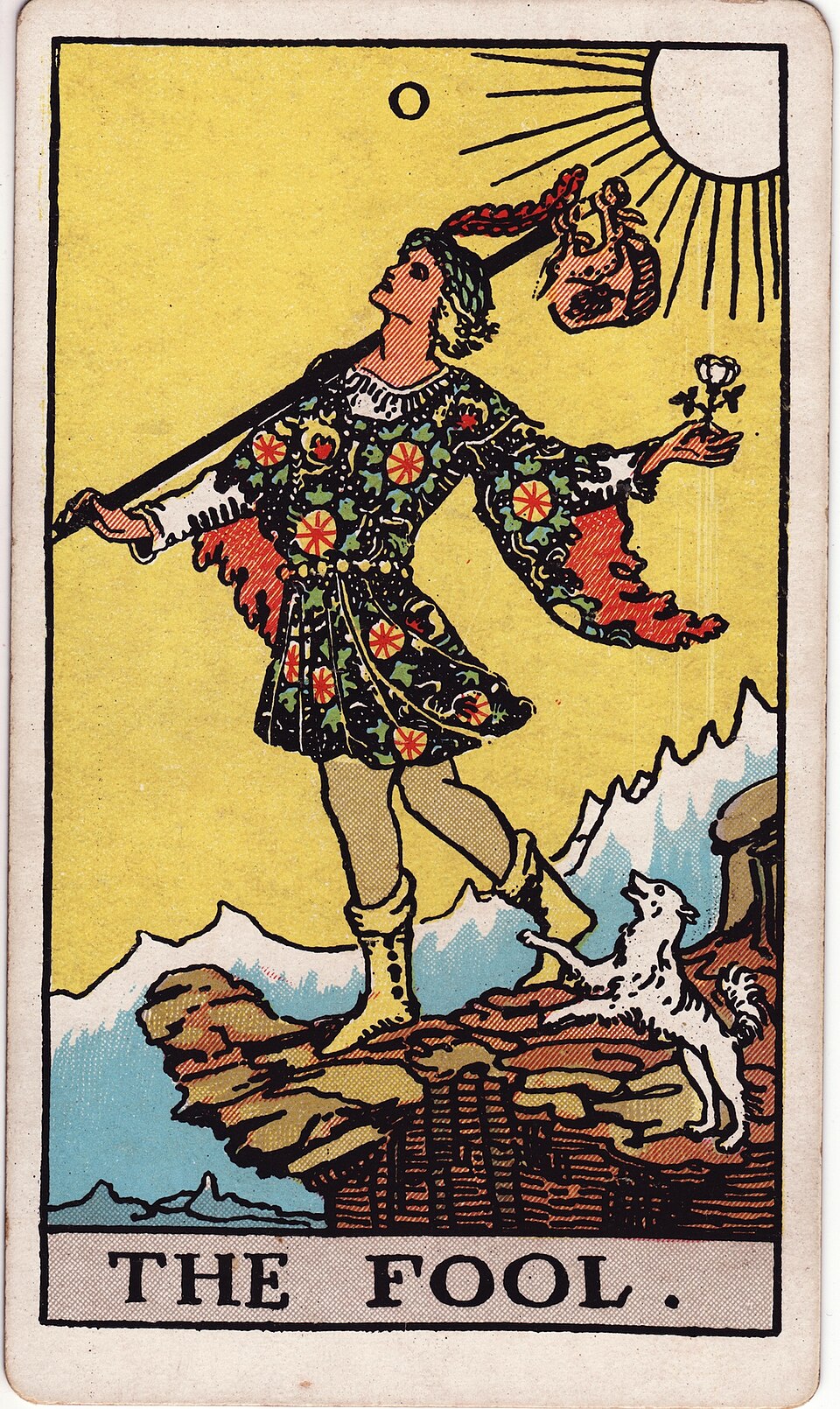
The most common teaching spread: past / present / future, or situation / action / outcome-as-trajectory.
Best for: Everyday questions, learning to read sequences, most beginner practice
Learn more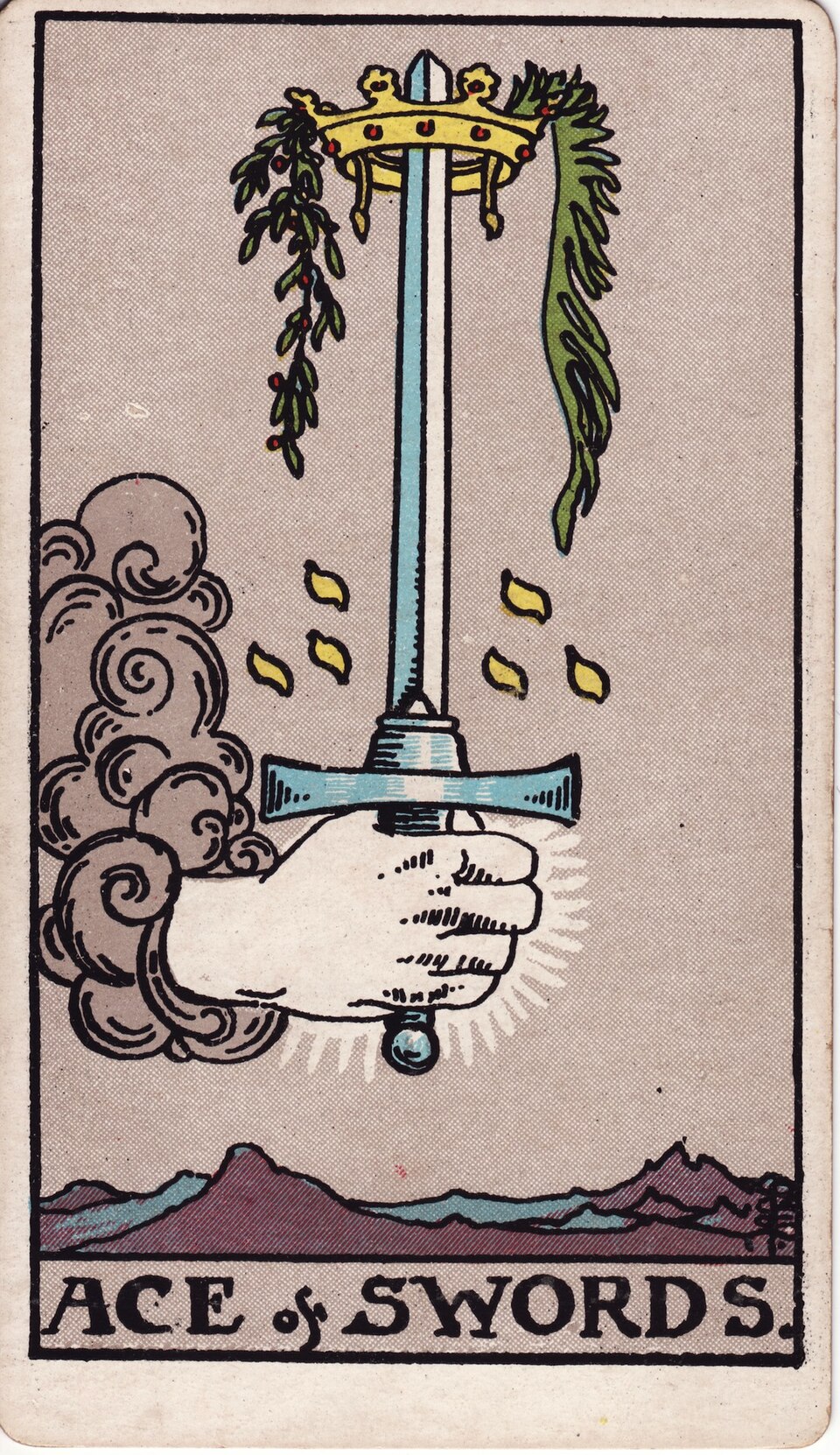
A cautious three-card method for binary questions, with an emphasis on when not to force a yes or no.
Best for: Simple decisions you already almost know, not for other people's secrets
Learn more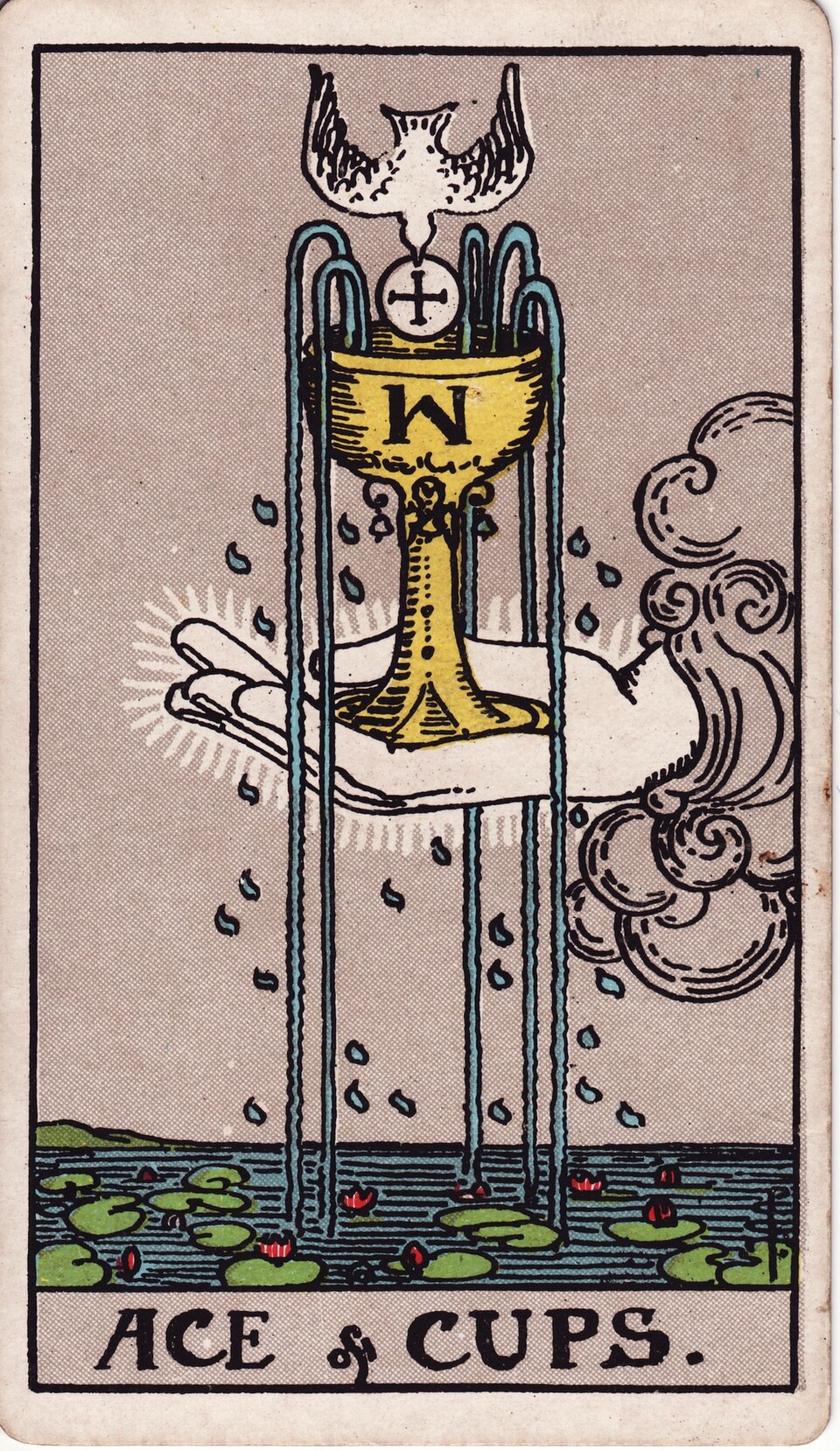
A five-card look at a romantic or relational situation you are in, with emphasis on your side of the street.
Best for: Dating questions, relationship climate, your pattern in love
Learn more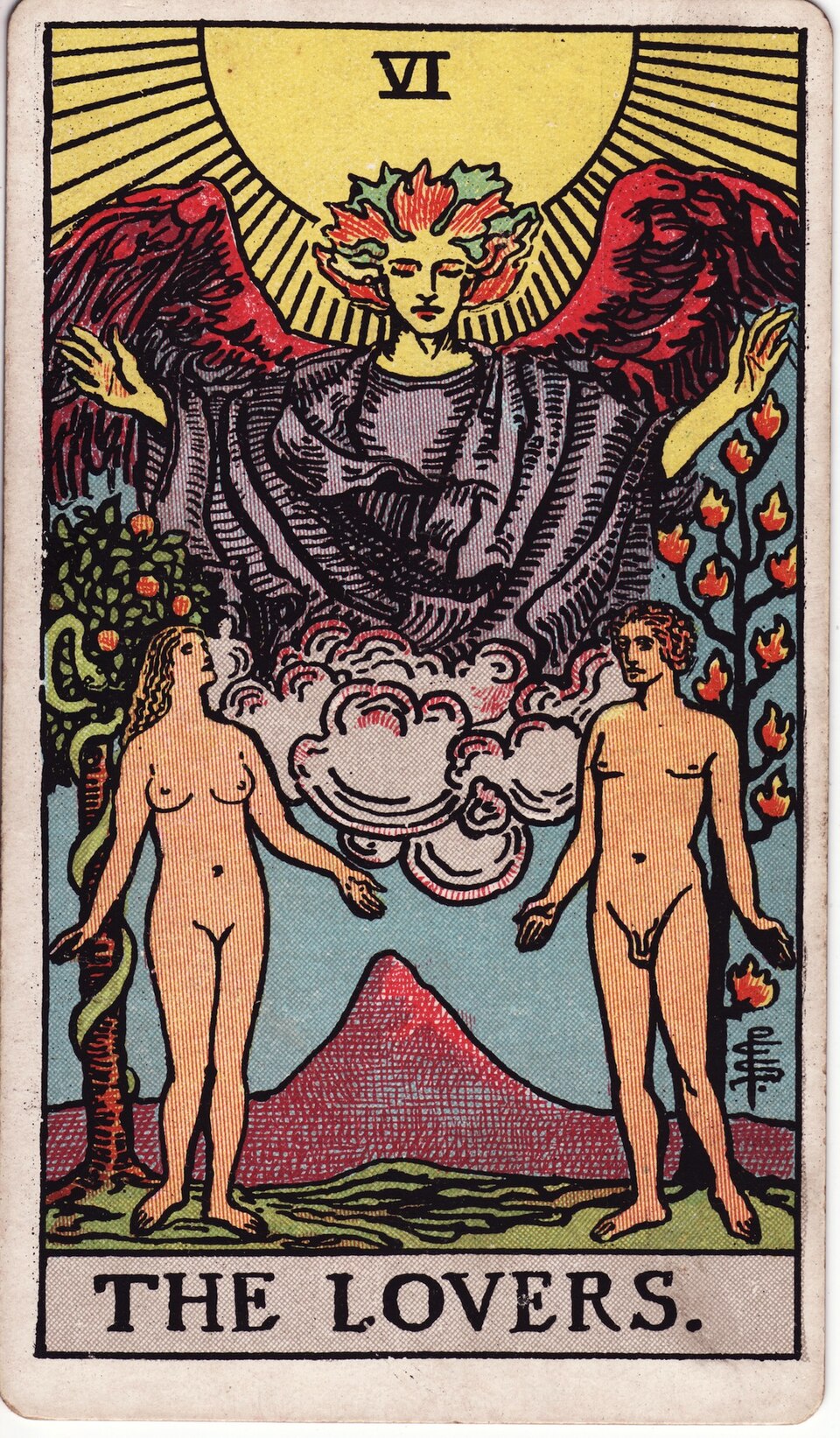
A six-card map of two people (or two parts of a partnership) plus the bond between them.
Best for: Ongoing partnerships, collaboration, seeing both roles
Learn more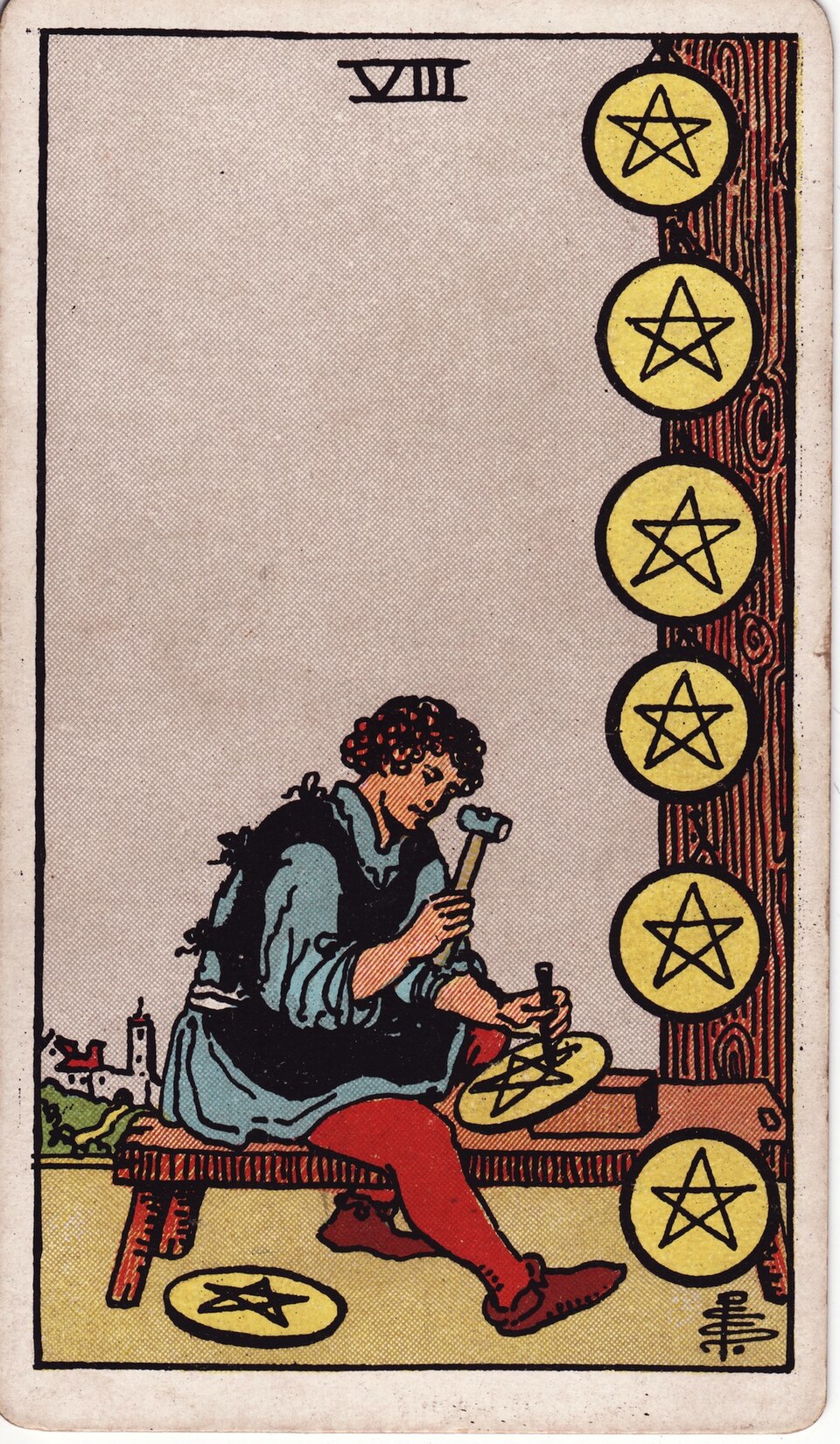
A five-card spread for choosing between paths or clarifying how to approach work.
Best for: Job choices, project focus, professional identity questions
Learn more
A six-card look at a workplace climate: role, team, tension, and what you can influence.
Best for: Office dynamics, project health, burnout checks
Learn more
A reflective layout for identity, habit, and inner conflict—not a personality test score.
Best for: Journaling, therapy homework (not a substitute for therapy), life chapter reviews
Learn more
A month-scale review: what to continue, what to compost, and where to place attention.
Best for: New moon or calendar month practice, reviewing a journal
Learn more
A ten-card classic for complex situations, taught here as a structured story rather than a fortune engine.
Best for: Layered problems, chapter reviews, experienced practice
Learn more